(© Per Kasch | perkasch.com)
What 20 Years of Organizational Development Taught Me About Leadership, Ecosystems, and Trust
After more than 20 deeply fulfilling years in Organizational Development—shaped by countless meaningful encounters—I find myself consciously closing one chapter and carrying its core insights forward.
I am profoundly grateful to my outstanding team, our exceptional trainers, and more than 120 prestigious corporate clients who placed their trust in us over the years. Working with them shaped not only my professional path, but also my deep conviction about what truly drives sustainable success.
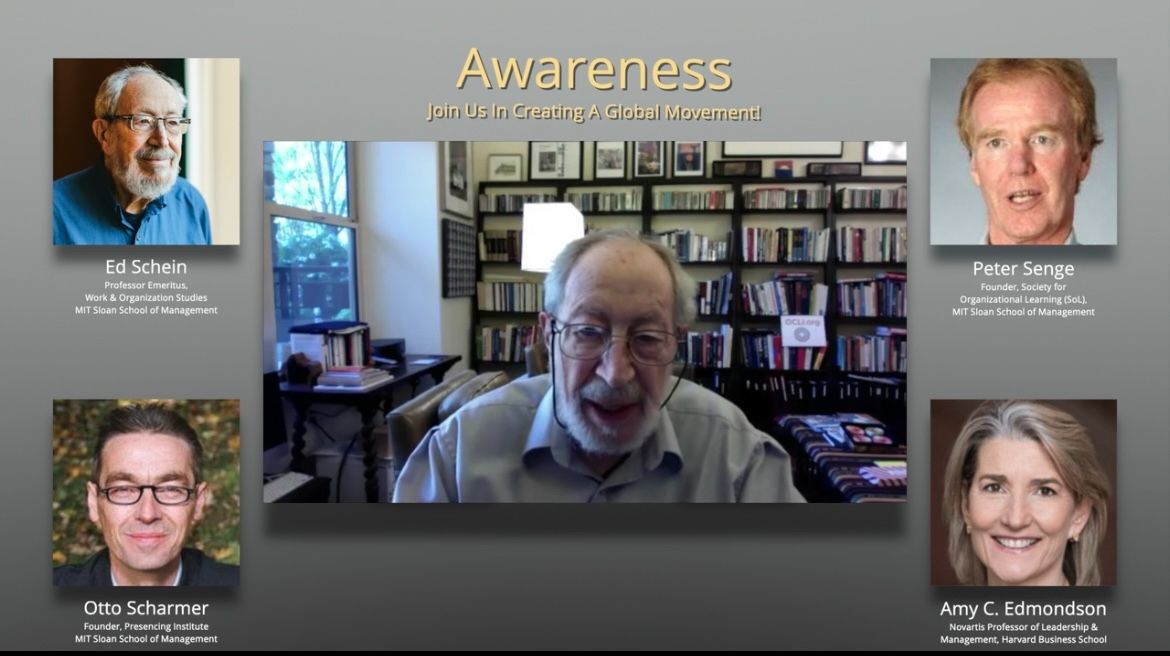
Throughout this journey, I was privileged to collaborate with some of the most influential thinkers in our field—most notably my mentor and dear friend Edgar H. Schein, as well as inspiring voices such as Amy Edmondson, Otto Scharmer, and Peter Senge. What unites their work is not a specific method, framework, or tool, but a shared respect for human relationships as the foundation of effective leadership.
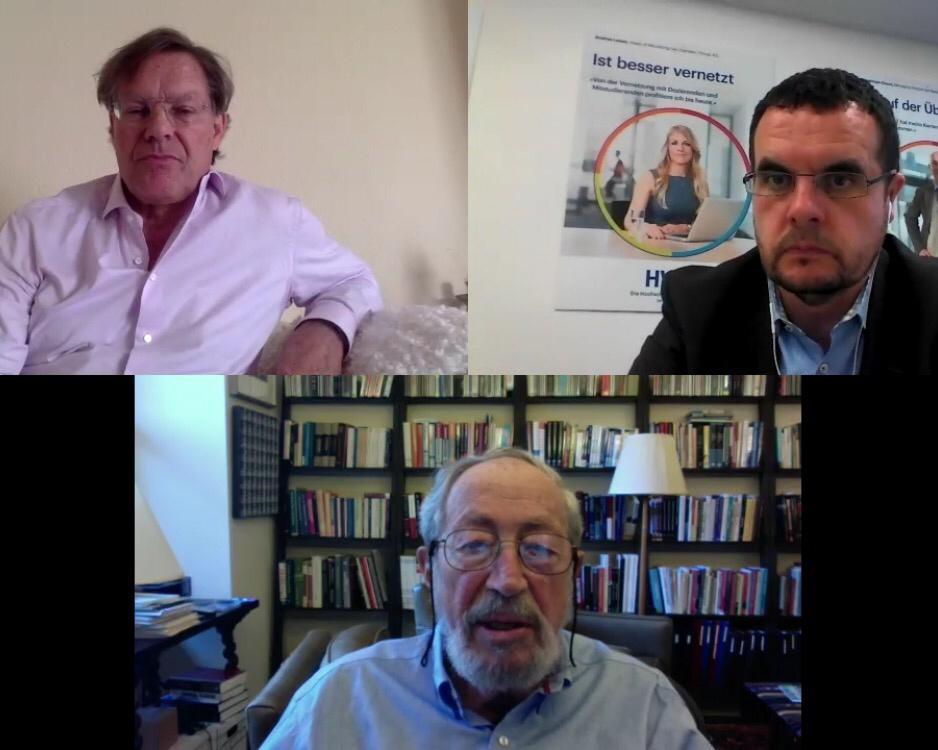
 “Creating a Triple A Society through Reflection on Crisis and Change”: Video Sessions with Ed Schein, Amy C. Edmondson, Otto Scharmer, and Peter Senge, Spring 2021 (© G. Fatzer | M. Laederach | D. Schmid)
From Organizations to Ecosystems—The Real Leadership Challenge Ahead
As Peter Senge once emphasized in a joint session with Gerhard Fatzer, Dr. (Visiting faculty and Visiting Prof.), and Mouna Laederach, the decisive arena of the future will not be individual organizations or isolated leadership formats. It It will be the quality of ecosystems.
Markets, clients, partners, and internal stakeholders are becoming ever more interconnected. In this reality, the central leadership challenge is no longer efficiency alone, but the ability to hold the productive tension between competition and collaboration.
Organizations that master this tension are those that invest deliberately in relationships—across boundaries, roles, and institutional logics. The quality of these ecosystems will determine who thrives in the long run:
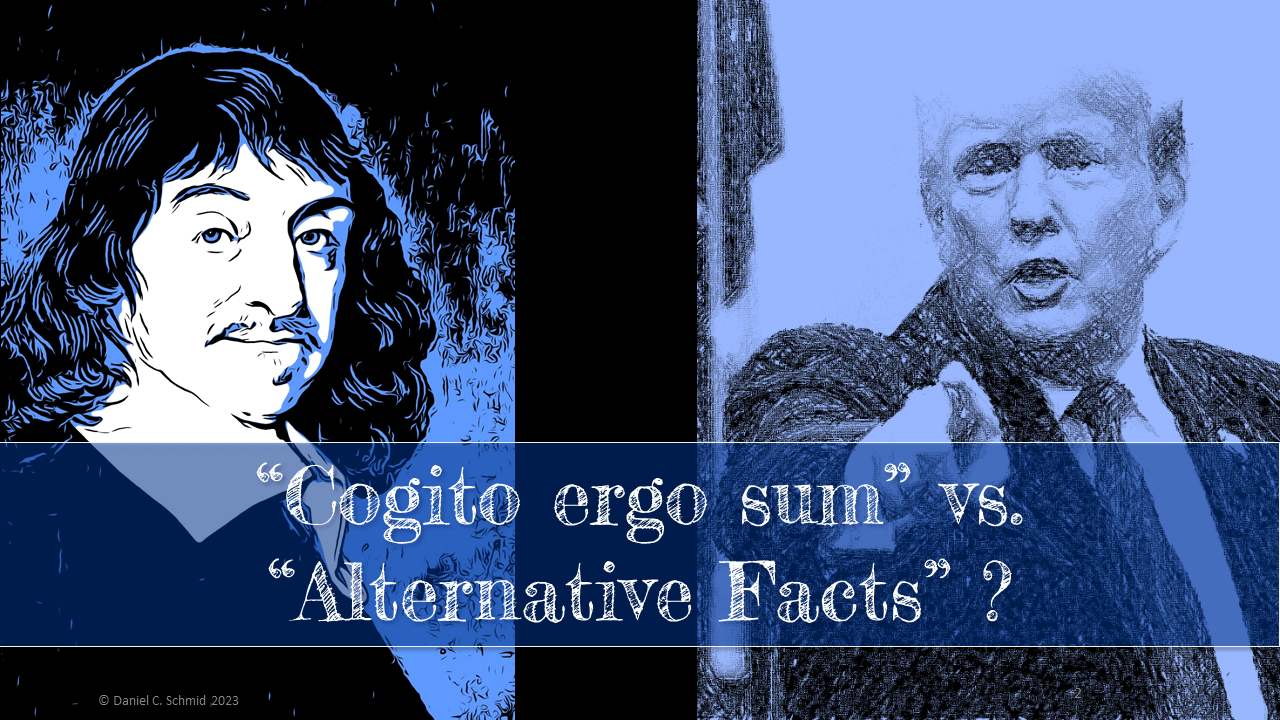
Peter Senge, Video Session, 13/03/2021 (© G. Fatzer | M. Laederach | D. Schmid)
Leadership Remains Relational—Especially in the Age of AI
In Humble Leadership (2nd edition, 2023), Edgar Schein and his son Peter Schein articulate a principle that has guided my own work for decades: complex challenges cannot be solved through authority or expertise alone. They require openness, trust, and genuine curiosity.
Leaders achieve better outcomes when they acknowledge what they do not know, ask honest questions, and listen attentively—thereby unlocking the collective intelligence of the system. Recognized as the number one management thinker in the world for two consecutive years, Amy C. Edmondson captures this insight succinctly in Right Kind of Wrong (2023):
«A system’s results are less shaped by its individual parts than by how the parts relate to one another.» (Amy C. Edmondson)
This is not a «soft» idea. It is a strategic one.
We are entering an era in which artificial intelligence will dramatically optimize processes, decisions, and information flows. Precisely because of this technological acceleration, human connection becomes more—not less—decisive. AI can enhance systems, but only people create meaning, trust, and commitment. Leadership effectiveness, customer loyalty, and long-term business success will therefore depend on the quality of relationships leaders are able to build and sustain.
In his final message, shared by Otto Scharmer in January 2023, Edgar Schein expressed this truth with characteristic clarity—reminding us that progress without relationship ultimately remains hollow:
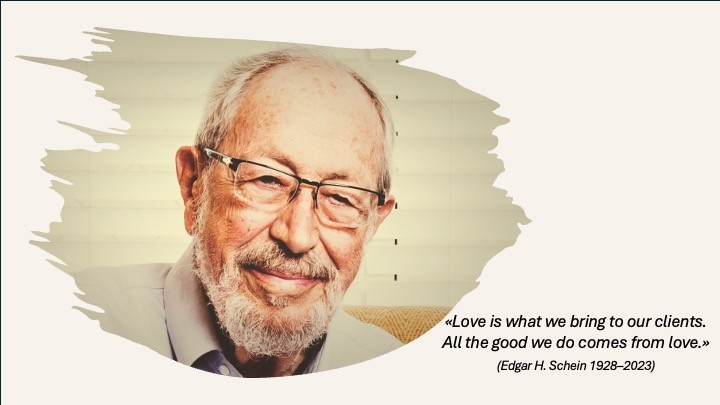
«Love is what we bring to our clients. All the good we do comes from love.» (Edgar H. Schein)
What I Stand For Going Forward
Looking back, there is little to add and much to affirm. What I carry forward from these years is a clear position: sustainable success is never primarily a question of tools, models, or technologies. It is a question of relationship quality—between leaders and teams, organizations and customers, and increasingly, between organizations themselves. This is the principle I continue to stand for. It is the lens through which I approach leadership, collaboration, and long-term customer relationships.
Thank you to everyone who has been part of this journey. It has truly been a pleasure—and it is far from over. The path ahead is guided by a simple conviction: leadership begins with human connection, and organizational success will be shaped by the quality of our relationships. My next learning page will be written soon, so stay tuned: «The Future is analogue!»
Daniel C. Schmid, January 1st, 2026